Graphic Artist vs Graphic Designer – What’s the difference?




If you’re reading this, you’re wondering “What the heck is the difference between a graphic artist, and a graphic designer?” During my experiences with client-based business, I’ve noticed that a lot of people mistake one for the other, or don’t realize that there’s a difference – even if there is a little overlap.
It may not seem like there’s a difference (after all, aren’t they both responsible for graphics?), but there is… and this blog is going to help you understand the differences between a graphic artist and a graphic designer so that you know which one you need for your project.
Table of Contents
As a creative who has done work both as an artist and as a designer, I understand how it’s easy to confuse the two titles. Truth is, artists and designers do have a few things in common:
But while these two creative types may sometimes overlap in their capabilities, they have two very different objectives.
When someone says the word “art”, you might think of more traditional paintings – the Mona Lisa, the Starry Night, etc. And you wouldn’t be totally wrong in that way of thinking. Graphic art typically includes some sort of traditional artistry – even if it’s done using a digital canvas.
Graphic Artists get to break a lot of the rules a Graphic Designer needs to follow, because their form of graphic expression relies more on the art, rather than an aesthetically pleasing arrangement of pieces.
Here are some types of work that a Graphic Artist might produce:
These can be created in any medium – whether they choose to draw using pencils, paint with watercolor, use an iPad to draw in Procreate, or pretty much anything else that you can think of. These pieces are often (but not always) converted to a digital format for use online where a Graphic Designer will take over and utilize the creations to make a final product.
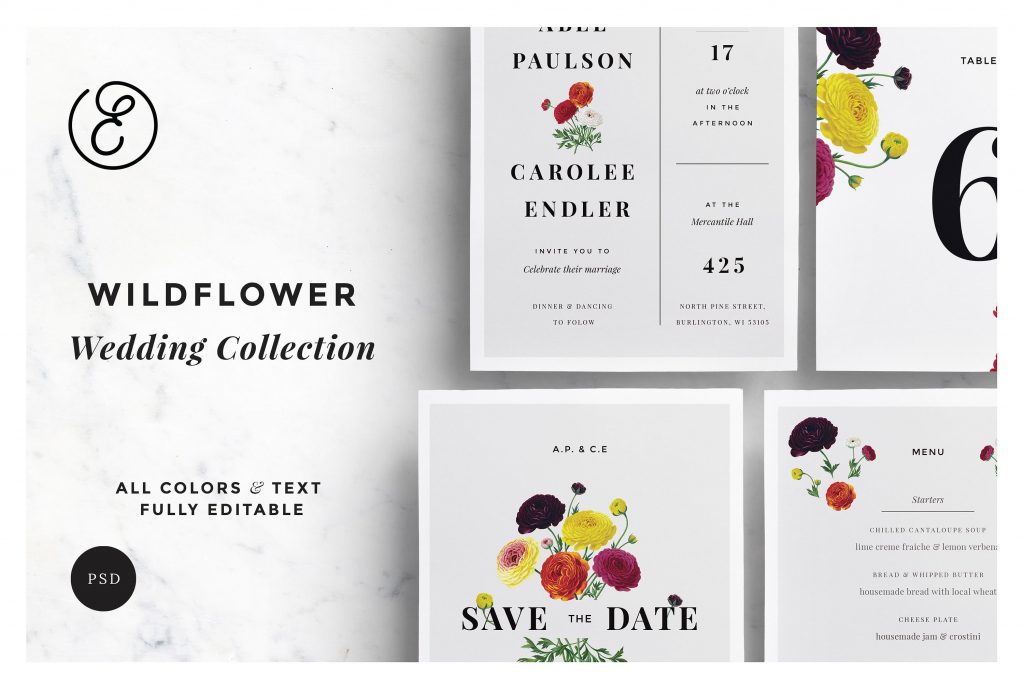
These products are examples of pre-created elements that you can buy via Creative Market to use for graphic design.
The main objective of a Graphic Designer is to provide a way for a viewer to interact with the content of that design. So for example, rather than creating the fonts being used in their graphic, they are responsible for making sure it’s utilized in the correct and most eye-pleasing manner.
By following some basic designing principles, a Graphic Designer takes elements (sometimes pre-created by a Graphic Artist), and turns them into an optimized visual.
Graphic Designers almost exclusively work in a digital format. Some types of work you might see them produce are:
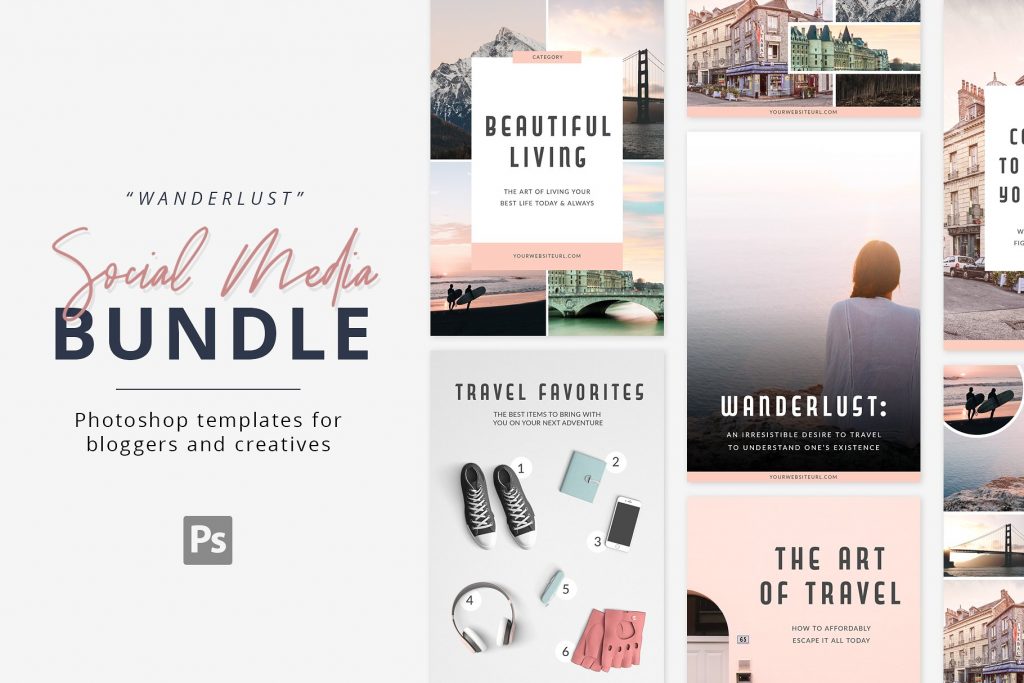
These products are examples of pre-designed graphic templates that you can buy via Creative Market to use for graphic design.
While I do sometimes wear the Graphic Artist hat (I’m capable of using Illustrator to, ya know… illustrate), it isn’t really my primary job, or what I really “do”. I prefer Graphic Design because it means that I get to create visually pleasing and consistently designed graphics. It helps that it also means that I get to support Graphic Artists by purchasing their commercially licensed artwork to use in my designs.
I love being able to put a completed graphic together… to be the person who gets to put all of the elements together in an arrangement that attracts the audience and prompts them to engage. Those elements are nothing without a designer to lay them out in a proper composition.
Do you prefer to create artistic elements, or do you prefer using them to design completed marketing collateral? Comment below!
If you enjoyed the content of this blog post and found it valuable, please save it to Pinterest so that other people can read and learn too!